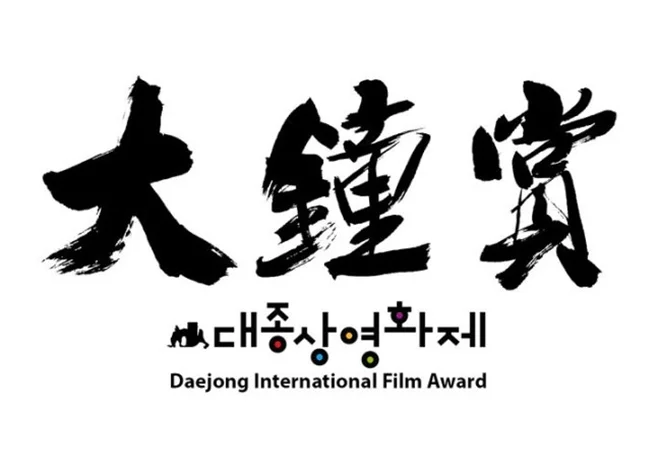
South Korea’s oldest film awards is heading into its comeback under a cloud. Seven film industry groups on Thursday threatened a full boycott of the Grand Bell Awards, saying they do not recognise the leadership preparing the ceremony’s return after a four-year absence and demanding an overhaul before the 60th edition in March 2027.
At a press conference held on November 19 at the Seoul Film Center in Jung-gu, Seoul, the Korean Film Artists Association and six other industry bodies issued a joint statement titled “Returning the Grand Bell Awards entirely to the people and film professionals.” The groups acknowledged that the trademark rights to the awards were transferred through legal procedures, but said that did not amount to the trust and consent of the filmmaking community.
The groups’ central objection is the current executive team, led by executive director Cho Geun-woo. The associations questioned the suitability of Cho, citing his past criminal record, and demanded a clear explanation of how he was appointed. Lee Soo-sung, chairman of the Korean Film Directors Association, called for the appointment process to be disclosed and re-examined. Cho has previously said through the media that he took the role at the request of directors of the Korea Film Planning Producers Association and that he was wronged in the past criminal case, according to TV Daily.
The groups set out four demands: disclosure of the chairman election and executive appointment processes, a re-examination of the current leadership, publication of the judging rules, and disclosure of the budget and sponsorship money. They warned that if no acceptable answer arrives by November 30, they will refuse to take part in the festival, form a pan-industry emergency committee, and press ahead with plans for a separate film festival.
Yang Yoon-ho, chairman of the Korean Film Artists Association, told the press conference that the awards’ authority comes from filmmakers’ voluntary participation and public support, not from a trademark. “It could be seen as a fight over rice bowls,” Yang said, but argued the fight was about handing the next generation an intact Grand Bell Awards. “There are young filmmakers working hard right now. We want them to take over and continue it as a festival for the entire nation,” he said, adding that the groups wanted to pass on a whole and intact awards to their juniors. Yang said transparency in operations and judging was essential to “dispel the stigma surrounding the Grand Bell Awards,” and that the groups were working on a model all film industry members could agree on and take part in.
The organisers insist the event will go ahead as scheduled. The Korea Film Planning Producers Association, which holds the rights to stage the awards, says it acquired them through proper legal procedures. Executive chair Seo Jeong-min told Maeil Business Newspaper’s Star Today that the association had filed a complaint with Geumcheon Police Station about two weeks earlier against officials of the Korean Film Artists Association and others on suspicion of obstruction of business and defamation, accusing them of spreading false information to obstruct the festival. “The legal rights to Grand Bell Awards belong to us,” Seo said. “We’ll proceed normally even without some associations.”
The dispute is the latest chapter in a long decline. Founded in 1962, the Grand Bell Awards are South Korea’s oldest film awards, described as the country’s equivalent of the Academy Awards. But the ceremony’s credibility eroded over years of internal conflict and lavish spending; in 2015, all nominees for best actor and best actress announced they would boycott the event. The 59th ceremony took place on November 15, 2023. In December 2023, the Federation of Korean Filmmakers, which had hosted the awards since 1986, was declared bankrupt by the Seoul Bankruptcy Court after accumulating more than 800 million won in debt. The 60th ceremony was cancelled, and the trademark rights were put up for auction in November 2024. In 2025, the trademark and operational rights were officially transferred to the Korea Film Planning Producers Association, opening the way for the planned revival.
The confrontation escalated before Thursday’s press conference. On October 23, film groups including the Korean Film Directors Association sent an official letter to the producers association saying they “neither recognise nor cooperate with” the current Grand Bell Awards, effectively declaring a boycott, and announced plans for a separate “Daejong Film Festival” in March 2027.
The standoff now has a deadline. A preliminary event, the “Day of the Grand Bell Awards,” is scheduled for November 20 at the Eliena Hotel in Seoul’s Gangnam district, with the main 60th ceremony set for March 24, 2027. Whether the two sides reach an agreement before November 30, or Korean cinema’s oldest awards return with the industry split in two, remains to be seen.