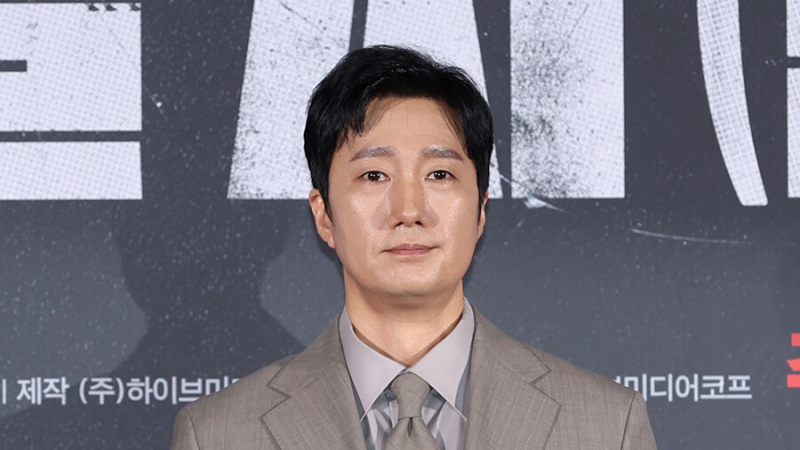
Actor Park Hae-il will be the subject of a special retrospective at the Academy Museum of Motion Pictures in Los Angeles, with the program titled “Park Hae-il” set to run from October 29 to November 14 local time.
The news was reported on October 27 by Sports Seoul, citing the Academy Museum’s official website. The program is designed to spotlight the breadth of Park’s acting range and his detailed approach to character, introducing audiences to a body of work that has long been admired by Korean film fans.
Eight films have been selected for the retrospective, spanning more than two decades of Park’s screen career. The lineup opens with Yim Soon-rye’s “Waikiki Brothers” from 2001 and Park Chan-ok’s “Jealousy Is My Middle Name” from 2002, followed by Bong Joon Ho’s “Memories of Murder” from 2003. Later selections include Kang Woo-suk’s “Moss” from 2010 and Jung Ji-woo’s “Eungyo” from 2012.
The program continues with Hur Jin-ho’s “The Last Princess” from 2016, before closing its timeline with two films from 2022: Kim Han-min’s “Hansan: Rising Dragon” and Park Chan-wook’s “Decision to Leave.” Together, the eight titles trace a career that has moved across period drama, crime, literary adaptation, and large-scale historical storytelling.
The Academy Museum described Park as “a master of subtle versatility,” praising an actor who examines a character’s past and present with sharp sensitivity, curiosity, and compassion. In its program description, the museum said Park brings both strength and softness to the figures he plays, using a multifaceted approach to draw audiences into a wide emotional landscape, including feelings that are unfamiliar and at times uncomfortable.
Park is scheduled to appear as a special guest during the opening weekend, when he will meet local audiences and discuss his work and approach to acting. The in-person appearance gives the retrospective a direct link between the screenings and the actor at its center, rather than presenting the films alone.
The retrospective also arrives as a notable showcase for Korean cinema on an international museum stage. By placing Park’s films side by side, the program lets audiences follow how his screen presence has developed from his early 2000s work through his recent collaborations with major Korean directors, offering a compact overview of a career built on varied roles rather than a single signature image.