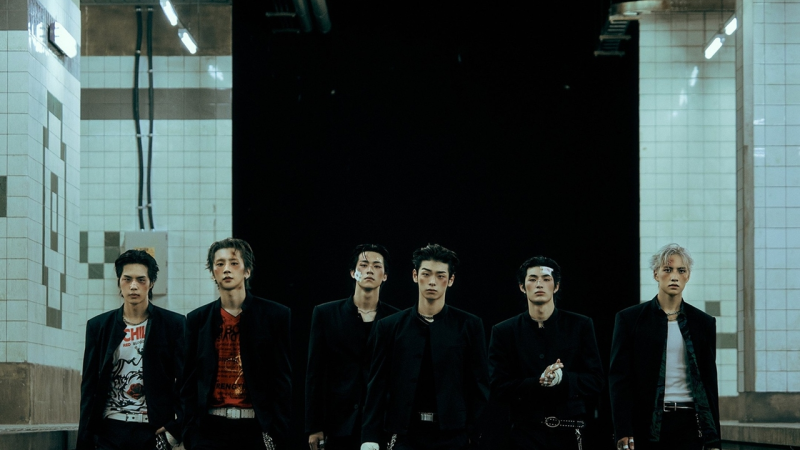
If you follow K-pop from outside Korea, a comeback can look like chaos: a midnight photo drop, a countdown of cryptic images, a music video that lands at 6 p.m. sharp, and then weeks of stages that all seem to happen at once. In reality, almost every comeback follows the same carefully choreographed calendar. Agencies plan these cycles months in advance, and once you know the shape of the schedule, you can read any group’s promotion period like a timetable. Here is how it works, phase by phase.
Phase One: The Scheduler and the Teaser Season
Most comebacks officially begin with a single image: the scheduler. Posted around two to four weeks before release day, it is a day-by-day calendar listing everything the agency intends to release — concept photos, teaser films, track lists, the highlight medley and the music video teasers. Fans screenshot it, set alarms and plan their lives around it. It is also a promise: in K-pop, missing a date on your own scheduler is a small scandal.
What follows is teaser season. Concept photos usually arrive in two or three distinct sets, each built around a different visual mood, and they drop at midnight Korean time — timed for maximum impact on Korean social media while still catching evening hours in the Americas. Short teaser films and mood samplers fill the gaps between photo sets. The point of all this is not just hype. Each teaser tells fans which version of the group’s image is being sold this era, and physical albums are often printed in multiple versions to match each concept, so the visuals literally shape what fans pre-order.
Mixed into this phase are the track list reveal and, increasingly, a pre-release single. A pre-release drops a week or two before the album, tests the public reaction, and gives the group something to perform at events before the title track exists in the world. Some agencies also release a “coming soon” poster months ahead with no date at all — a soft announcement that simply claims territory on a crowded calendar so rival groups know to steer clear of that week.
Phase Two: Highlight Medley and Release Day
Two or three days before the album, the highlight medley arrives: a short video stitching together snippets of every track, usually over animated artwork or behind-the-scenes footage. For fans, it is the first real evidence of what the album sounds like beyond the title track, and the snippets are debated, ranked and clipped endlessly. A day later comes the final music video teaser, often just twenty seconds long, engineered to be watched on loop.
Release day itself runs on rails. The album and title-track music video typically drop together at 6 p.m. Korean time — the hour that counts most for Korea’s real-time charts — although groups targeting the US market sometimes release at midnight or 1 p.m. Korean time to align with American chart windows. Within hours, the group holds a media showcase: a staged press event where they perform the title track live for the first time, pose for photographers and answer questions about the concept. Fan showcases, streamed online, follow the same evening or the next day. Every part of this is choreographed so that the first live performance, the first photos and the first chart numbers all arrive as one coordinated wave.
The Music Show Circuit: Week by Week
The heart of the promotion cycle is the music show circuit — the weekly televised programs where idols perform and compete for trophies. The main shows run across the week: The Show and Show Champion in the middle of the week, M Countdown on Thursday, Music Bank on Friday, Show! Music Core on Saturday and Inkigayo on Sunday. A promoting group might appear on four to six of these in a single week, and each appearance is a full production day: pre-dawn hair and makeup, a morning pre-recording in front of a small studio audience of fans, hours of waiting, and then the live broadcast in the evening.
The first stage of the cycle is called the comeback stage. It is usually given special treatment — bigger sets, extended introductions, sometimes a second song from the album performed alongside the title track. Comeback stages matter because they are the definitive version of the choreography that fans will study, cover and clip for months.
By week two and three, the routine settles in. The group performs the title track on the same circuit, costumes rotate, and the fancam economy kicks in: broadcasters upload individual member fancams, and a single viral fancam can do more for a song than a week of advertising. Then, at the end of the cycle, comes the goodbye stage — the final music show performance of the era, often marked with a special greeting, a costume callback or a small surprise for fans who attended recordings. When you see “goodbye stage” in a schedule, the promotion period is officially over.
Wrapped around all of this is content that never stops: the main music video, performance versions filmed on elaborate sets, one-take dance videos, fixed-camera dance practices in the rehearsal studio, relay dances, and short-form dance challenges that other idols film backstage at music shows. The challenge ecosystem is deliberate — every celebrity who dances your chorus in a fifteen-second clip is free distribution, and agencies actively arrange these exchanges between groups promoting at the same time.
Fansigns, Video Calls and the Trophy Window
While stages chase the public, fansign events chase the fandom’s core. Fans who buy albums during a set window enter a lottery for a seat at an in-person signing or a one-to-one video call with a member. These events run throughout the promotion period and are a major reason album sales spike in the first weeks: every additional copy is another entry. It is also why first-week sales — known as Chodong — have become the headline metric of a comeback’s success, reported and compared like sports scores.
The trophy window overlaps with all of this. Each music show calculates its winner from a mix of digital streams, album sales, broadcast points, fan voting and social metrics, weighted differently by every program. A song is realistically competitive for trophies in its first two to three weeks, which is exactly why promotion cycles are built to peak then. Winning triggers the encore stage: the group performs the song again, live and unpolished, often while holding flowers, wearing playful props or fulfilling a promise made to fans — singing while eating snacks, swapping parts, or performing in pajamas. Encore stages are beloved because they are the least produced moment of the entire cycle, and a tearful or chaotic encore can become the era’s defining clip.
After the Goodbye Stage: Keeping a Song Alive
The end of music show promotions is not the end of the comeback. Agencies stretch the era with post-promotion content: behind-the-scenes films, recording diaries, dance practices in costume, holiday or sped-up versions of the title track, and follow-up promotions for a B-side if one starts climbing the charts on its own — a common enough event that some B-sides end up with their own music videos and stage runs weeks after the title track’s cycle closed. Reality-show appearances, radio rounds and university festival bookings fill the following months, and then, quietly, the cycle begins again: a new scheduler, a new set of midnight photos, and another four weeks that were planned long before fans saw a thing.
Understanding this calendar changes how comeback news reads. A teaser is never just a teaser — it is day one of a four-week machine built to convert attention into chart points, album entries and trophy encores, in that order, on a schedule the whole industry can set its watch by.