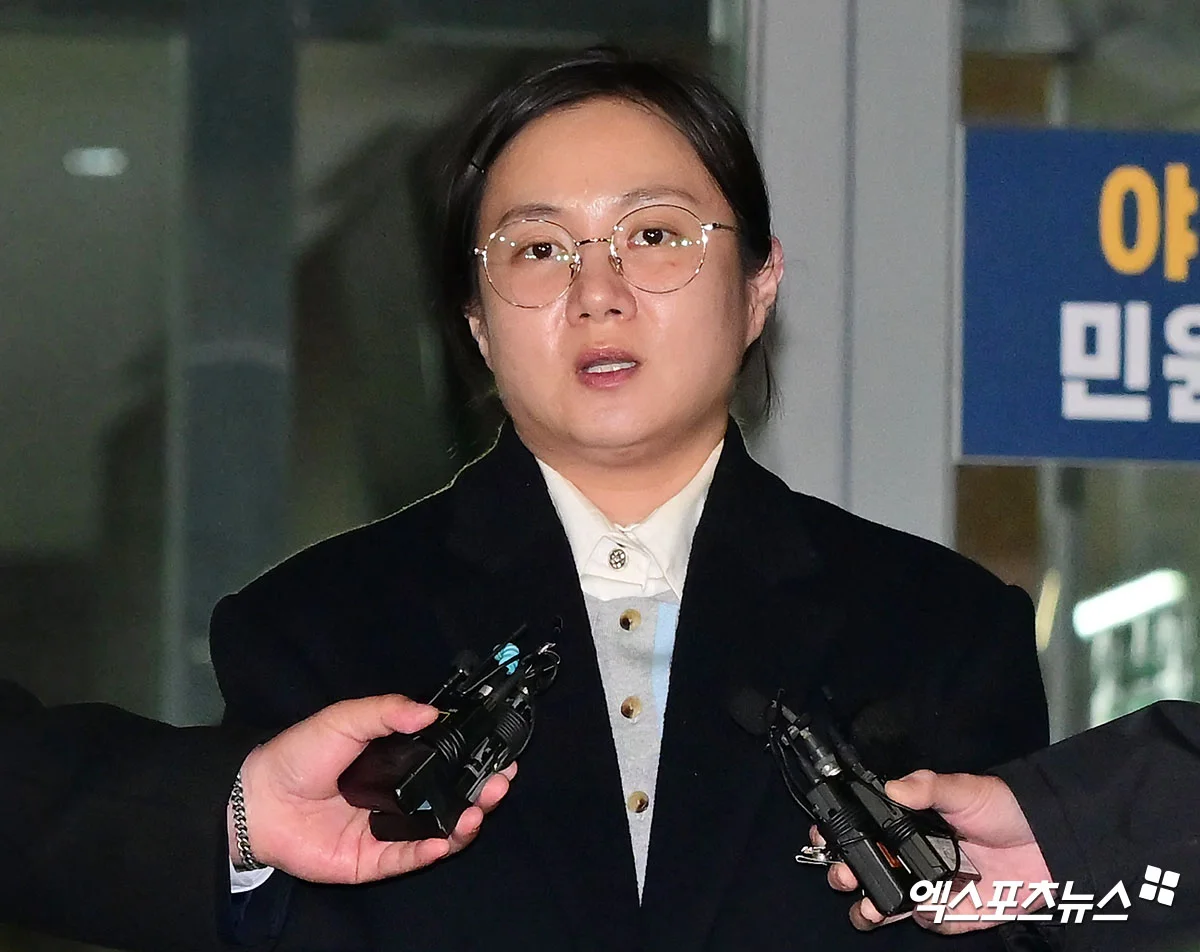
Comedian Park Na Rae’s one-person agency has finally completed its mandatory registration as a popular culture and arts planning business, 36 days after she and the company were referred to prosecutors for operating the agency without it.
Sports Kyunghyang reported on November 6 that Npark, the agency Park runs, completed its registration on August 14 at the Yongsan-gu district office in Seoul, with Park’s mother listed as the representative. The news came to light only this week, nearly three months after the registration was filed, and 253 days after the agency’s unregistered status was first reported last December.
Npark was founded in 2018. After Park left her former agency, JDB Entertainment, in 2024, the company effectively functioned as her one-person agency, handling her entertainment work. But it never completed the registration that South Korean law requires of any business operating as a popular culture and arts planning agency, and the gap became public in December last year when the unregistered operation was first reported.
On July 9, the Seoul Gangnam Police Station referred Park, her mother, and the Npark corporation to the Seoul Central District Prosecutors’ Office on charges of violating the Popular Culture and Arts Industry Development Act. Under the law, operating a planning business without registration can be punished by up to two years in prison or a fine of up to 20 million won, roughly 13,400 dollars.
Park’s side has said the registration was delayed because the two former managers now in litigation with her were registered as directors of the company, and their consent was needed to complete the procedure. After the directorships were cleared through the lawsuit, the agency moved ahead with the registration, according to the reports. TV Daily, which also covered the development on November 6, reported the same account of the delay.
In a statement issued last December, when the unregistered operation first surfaced, Anpark said the former employees at the center of the dispute had been responsible for the registration task and had falsely reported that it was done. “We deeply reflect on any shortcomings in our operations and are currently taking prompt and proper steps to comply with all legal procedures,” the agency said at the time, adding that it had only become fully aware of the situation through media inquiries.
The belated registration does not close the legal question. Reports stressed that the prior period of unregistered operation remains subject to a legal judgment, and the prosecution referral stands regardless of the registration now being complete.
The registration case is one strand of a wider legal battle between Park and her two former managers. The managers first accused Park of workplace bullying, proxy prescriptions, and unpaid expenses, and filed a complaint against her. Park counter-sued, accusing them of attempting to extort about 250 million won, roughly 10 percent of the company’s 2024 revenue, by threatening to disclose details of her private life and allegations about company fund usage. Prosecutors say the money was never actually paid, leaving the charge at attempted extortion. The second hearing in that case was held on October 20 at the Seoul Western District Court, where one manager’s side denied the key extortion charges, arguing he had a legitimate claim to severance pay. Park is scheduled to appear as a witness in the case on December 1 at 2 p.m.
Police also referred Park to prosecutors on July 10 on separate charges of special assault and violating communications law, according to the Korea JoongAng Daily. A separate investigation involves a woman accused of administering intravenous drips to Park and other celebrities without a medical license; the woman, widely known as the “injection aunt,” was questioned by police and has denied parts of the allegations against her.
Park has suspended her broadcasting activities since December last year. With the agency now registered and her court appearance as a witness set for December 1, the next developments in the case will come from the courtroom rather than the registration office.