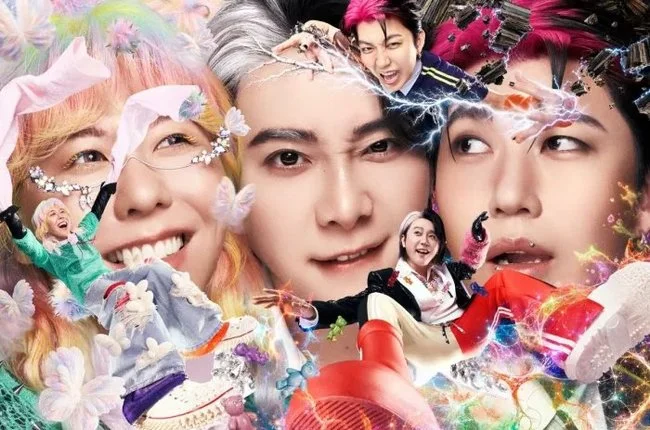
Japan’s “national band” Mrs. GREEN APPLE faces a week-long backlash over the music video for “Cinderella,” over its cabaret-hostess portrayal, Disney-like animation and use of artificial intelligence.
The video, for a track from the sixth album “POPS” released on September 30, was directed for the first time by vocalist Motoki Ohmori, who also planned the concept and wrote the script. According to NewsEn, it follows a girl who treasures a birthday dress from her parents, dreams of becoming a princess, and becomes a cabaret-club employee as an adult.
Critics questioned whether that setting was necessary. A Toyo Keizai writer praised the video’s craftsmanship but noted the lyrics do not name a job. Debate sharpened around a scene in which the protagonist, held by a man in a dark room, recalls her father patting her head as a child. On social media, viewers said the scene evoked “papa-katsu,” paid dating arrangements.
The Disney connection widened the dispute. Mrs. GREEN APPLE collaborated with Tokyo Disney Resort for a summer event in July last year, the first such collaboration by a Japanese artist, according to NewsEn. Critics argued that pairing a princess’s name with a cabaret-hostess setting risked linking the two in children’s minds. Online viewers also said animated characters resembled the protagonists of Disney’s “The Little Mermaid.”
A behind-the-scenes video of about 30 minutes released on October 26 confirmed AI was used in the animation. The production team said hand-drawn characters and backgrounds, with movements recorded by motion capture, were fed into AI and then retouched by people, aiming to portray an idealized world as beautiful but slightly uncanny.
The controversy echoes the band’s 2024 “Columbus” video, in which members dressed as Christopher Columbus, Napoleon and Beethoven had ape-like islanders pull rickshaws. It drew accusations of endorsing colonial rule, was made private the next day, and prompted apologies from the label, agency and Ohmori, while a Coca-Cola advertisement using the song was suspended.
This time, the response differs. As of October 29, the “Cinderella” video remained public, with no apology from the band. On October 28, label Universal Music warned it would not overlook defamation or threats against its artists, and said legal action would follow. A Toyo Keizai tally found more than 80 percent of 1,036 related X posts over seven days to October 26 were positive, underscoring how divided the debate remains.