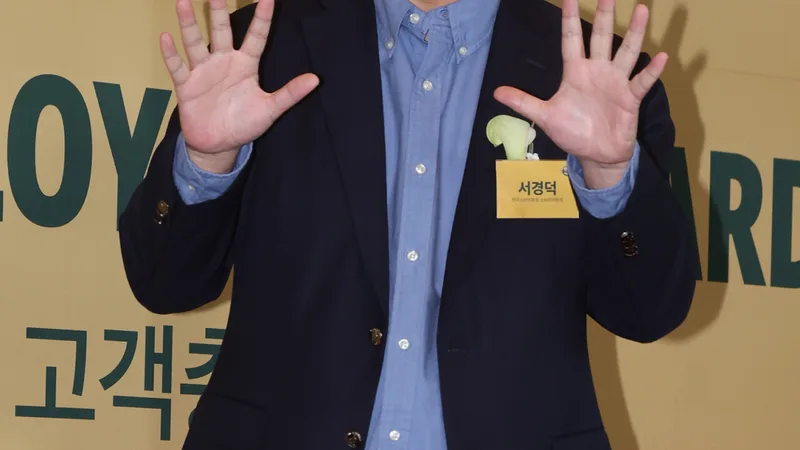
Professor Seo Kyung-duk is calling on the South Korean government to take action against what he describes as China’s “cultural engineering” of Korean traditions, pointing to an Arirang sign in Heilongjiang province that frames the folk song as originally Chinese.
In a post shared on October 12, the Sungshin Women’s University professor cited a National Heritage Administration research report on China’s cultural moves toward Korean traditions, according to Ilgan Sports.
The report found 24 cases of ethnic-Korean traditional culture in Jilin, Liaoning and Heilongjiang provinces designated by China as national-level intangible cultural heritage — including Arirang, Pansori, Chuseok, kimchi-making techniques, Ssireum wrestling, Janggu dance, Hakchum, Nongakmu, Gayageum, traditional clothing and the Hwegaprye 60th-birthday rite.
The Arirang sign in Jungheung village, Mudanjiang city, describes the song as born from migrants who moved from the continent to the Korean Peninsula after Han Emperor Wu established military commanderies. Seo called the photo “truly shocking,” saying it frames Arirang as originally Chinese culture, and warned China could next pursue UNESCO inscription for the listed traditions.
The professor has repeatedly flagged K-pop issues in China, including BTS’ “Swim” single CD being sold through unofficial channels on Temu last month, and counterfeit goods using NewJeans and IVE likenesses on AliExpress in 2024.
Seo said he has produced multilingual content introducing Arirang, Pansori, Nongak and kimchi to audiences abroad, and that he will continue the work.