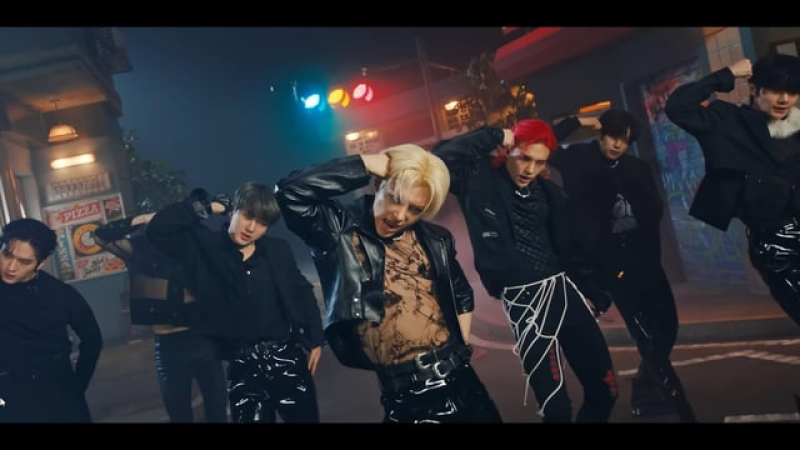
K-pop agencies will soon be able to rate their own music videos and release them without waiting for government pre-screening, under an amendment to the Music Industry Promotion Act approved by South Korea’s Cabinet on Tuesday, according to The Korea Times.
Under the new framework, entertainment agencies and digital platforms that meet requirements set by presidential decree and register with the Korea Media Rating Board can assign age classifications to their music videos themselves, notify the board of the decision, and publish immediately. The Korea Times reported the change dismantles a regulatory step that frequently delayed digital music drops.
The overhaul replaces the strict system in place since 2012, when the government mandated pre-distribution rating checks to shield minors from explicit sexual content, violence, and dangerous behavior in visual media. While designed as a youth-safety barrier, the advance-review requirement increasingly clashed with the realities of the digital era, where surprise teaser drops and synchronized global rollouts are critical to a song’s commercial success, The Korea Times noted.
The policy also aligns music video regulation with self-rating models already operating across Korea’s video game and streaming sectors. To avoid burdening smaller producers, registration is optional: Seoul Economic Daily reported that companies making only five to eight music videos a year can choose between the board’s standard classification process and self-rating, depending on their needs.
“Music videos serve as a core driver of the global music industry,” said Choi Sung-hee, director general for content policy at the Ministry of Culture, Sports and Tourism, in comments reported by The Korea Times.
Youth protections remain built into the new system. Self-rating businesses must designate a rating officer, complete mandatory rating training, and report their classifications to the board before distribution. If the Korea Media Rating Board deems a self-assigned rating inappropriate, it can order an adjustment or revoke the business’s registration. The culture ministry can also seek corrective orders through the Broadcasting Media Communications Commission to block unrated or illegally altered videos.
The revised law will take effect 12 months after its official promulgation. Over that year, the culture ministry plans to finalize registration criteria and operating guidelines through lower-level decrees, giving agencies and platforms time to set up their internal compliance infrastructure before the first self-rated videos reach the public.