A new wave of women-fronted genre dramas is sweeping Korean television, with professional, decisive female protagonists headlining medical, legal, spy period and action thriller series all at once, Yonhap reported on October 18.
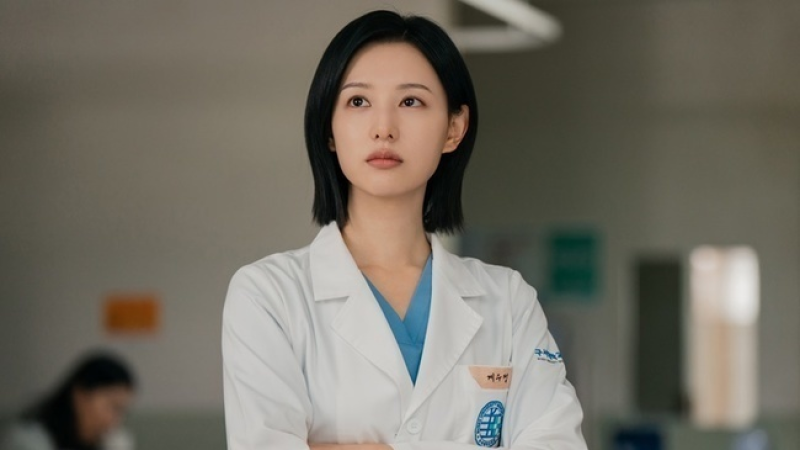
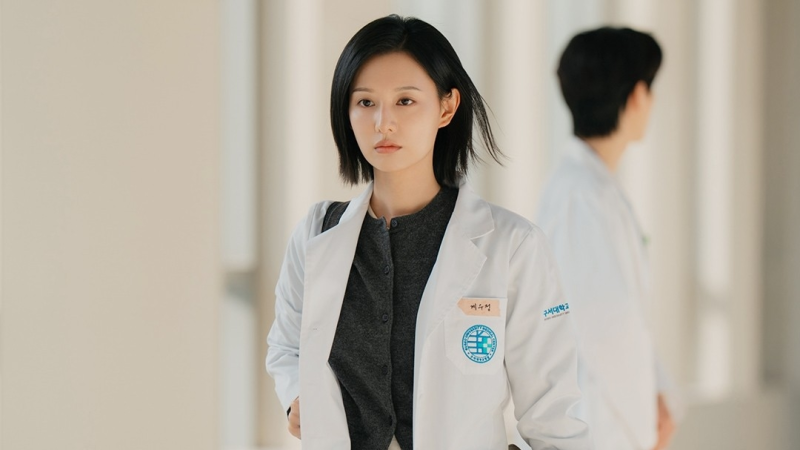
Leading the charge is SBS’s ‘Doctor X: The White Mafia Era,’ which premiered on October 9. Kim Ji-won plays Kye Soo-jung, a genius surgeon who cuts through a conservative, male-dominated hospital hierarchy on sheer skill. The premiere drew 11.4 percent nationwide, crossing 10 percent in a single episode, and the series also topped Netflix’s non-English TV shows chart as it released simultaneously on the platform.
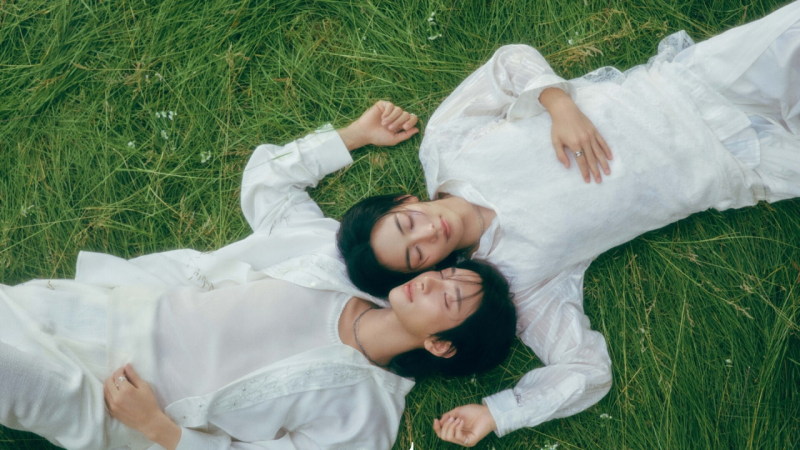
More titles are stacking up behind it. SBS will follow ‘Doctor X’ with ‘Good Partner 2,’ pairing Jang Na-ra as star divorce lawyer Cha Eun-kyung with Kim Hye-yoon as veteran career lawyer Kang Hye-sung, building on the first season’s celebrated womance. Yonhap also points to MBC’s ‘Yubunyeo Killer,’ about a housewife and mother who lives a double life as a legendary hitwoman and wrapped last month, and tvN’s ‘100 Days of Lies,’ a colonial-era spy period drama putting a female independence-movement spy front and center.
The trend did not start this month. The Korea Times profiled an earlier wave back in August, including Kong Hyo-jin’s MBC hitwoman drama ‘A Bona Fide Killer,’ where her legendary assassin Bo-na schedules hits around picking up her four-year-old daughter from day care; SBS’s ‘Flex X Cop 2,’ with Jung Eun-chae as a former counter-terrorism officer heading the Violent Crimes Unit; and Disney+‘s ‘A Shop for Killers Season 2,’ with its leading women on both sides of the conflict.
Tatler Asia’s October K-drama preview adds still more names to the slate: Kim You-jung headlining a period spy thriller, Kim So-hyun and Chae Soo-bin in contrasting romances, Nam Ji-hyun in an unconventional rom-com and Seo Hyun-jin in the psychological thriller ‘The Perfect Lie,’ premiering October 30 on MBC and Disney+.
Critics told Yonhap the shift reflects changed audience appetites and accumulated craft. Culture critic Kim Hun-sik said women, the core drama audience, have moved from passively consuming female characters to actively identifying with them. He added that directors have built up know-how for women-centered stories, moving past awkwardly copying male action templates and instead using camerawork, editing and fine-grained detail suited to the characters. Critic Ha Jae-geun said broader women’s social participation and mainstreamed feminist perspectives are being projected onto dramas, shattering stereotypes and delivering catharsis to the largely female audience.
Both critics cautioned that the wave will only last if the writing holds up. Kim said layered psychology and plausible storytelling must fuse with genre mechanics, while Ha warned that heroines drawn too forcefully lose persuasiveness, and the trend will expand naturally only when viewers can empathize with proactive characters.